The Department of Science and Technology of South Africa developed the National Hydrogen and Fuel Cells Technologies (HFCT) Research, Development and Innovation (RDI) Strategy. The National Strategy was branded Hydrogen South Africa (HySA).
The overall goal of HySA is to develop and guide innovation along the value chain of hydrogen and fuel cell technologies in South Africa. The overall vision of the HFCT RDI strategy is to bring about wealth, jobs and IPR creation through the initiation of new high-technology industries based on minerals found on South African soil, especially Platinum Group Metals (PGMs).
Allied to this is the goal of the developing cost competitive solution for the generating hydrogen locally focusing on using renewable energy, and the supporting enabling goal of developing a range of high-level skills, generally in accordance with the required human capital development strategy.
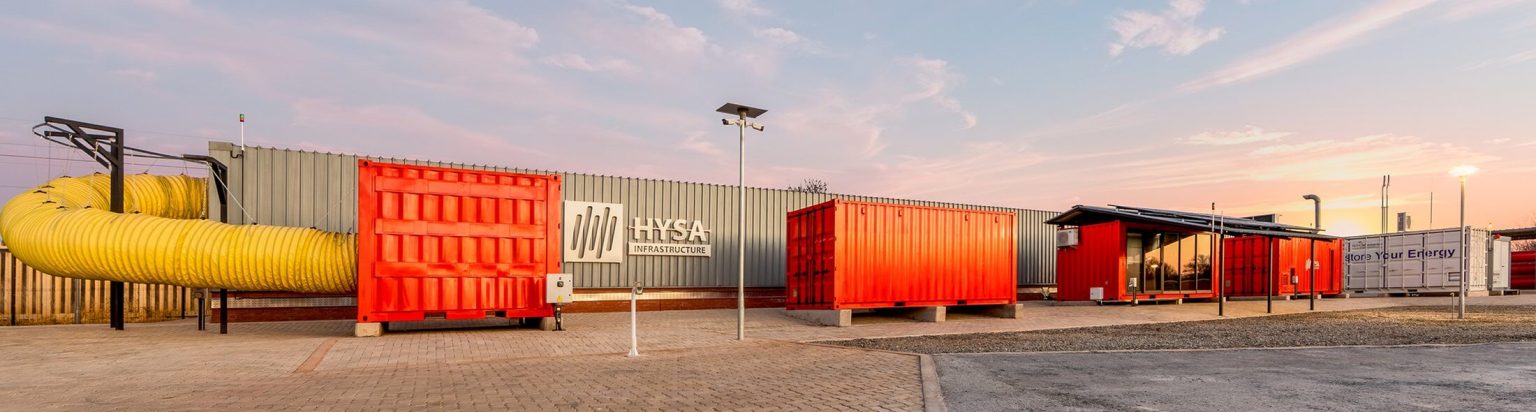
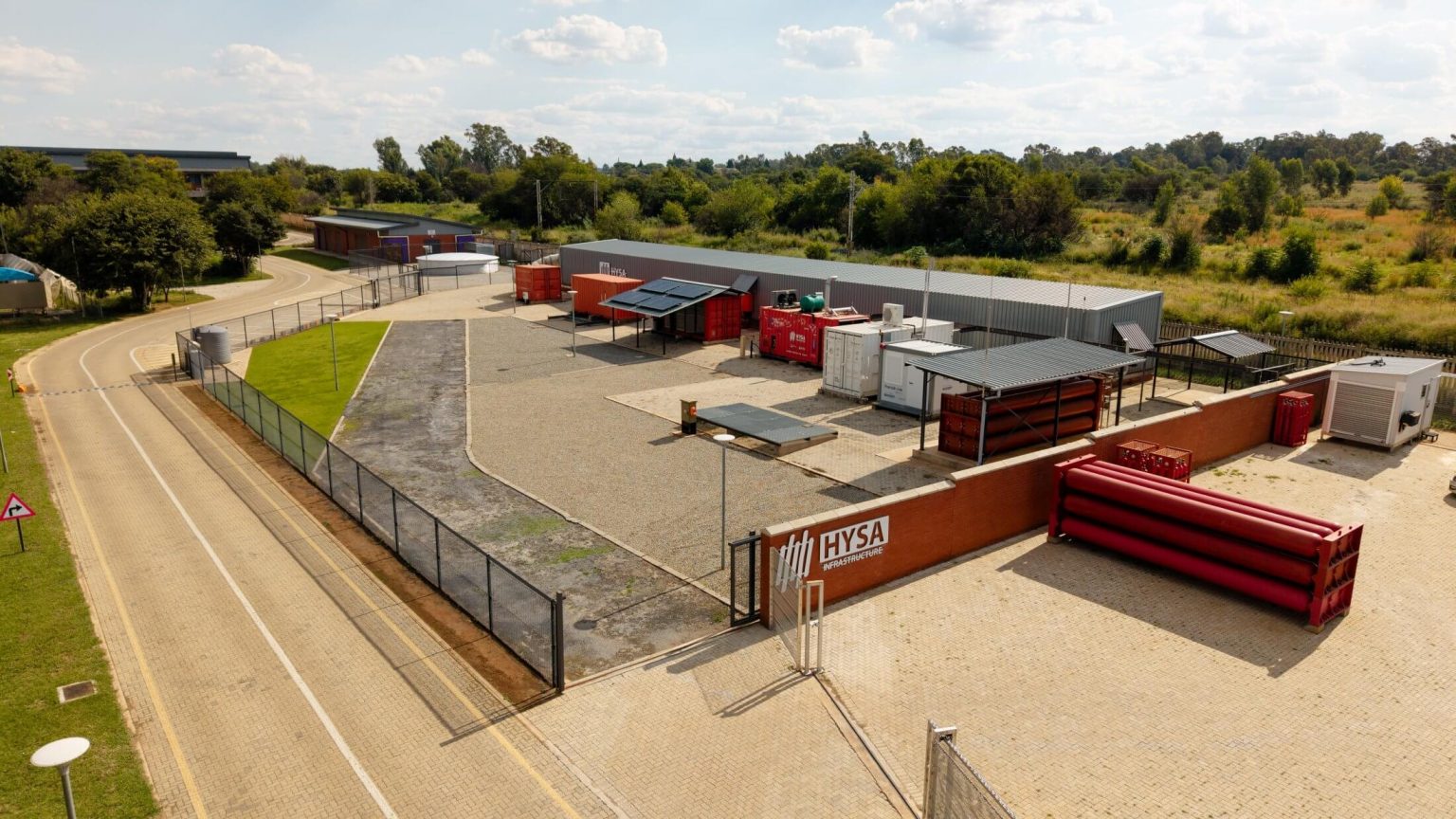
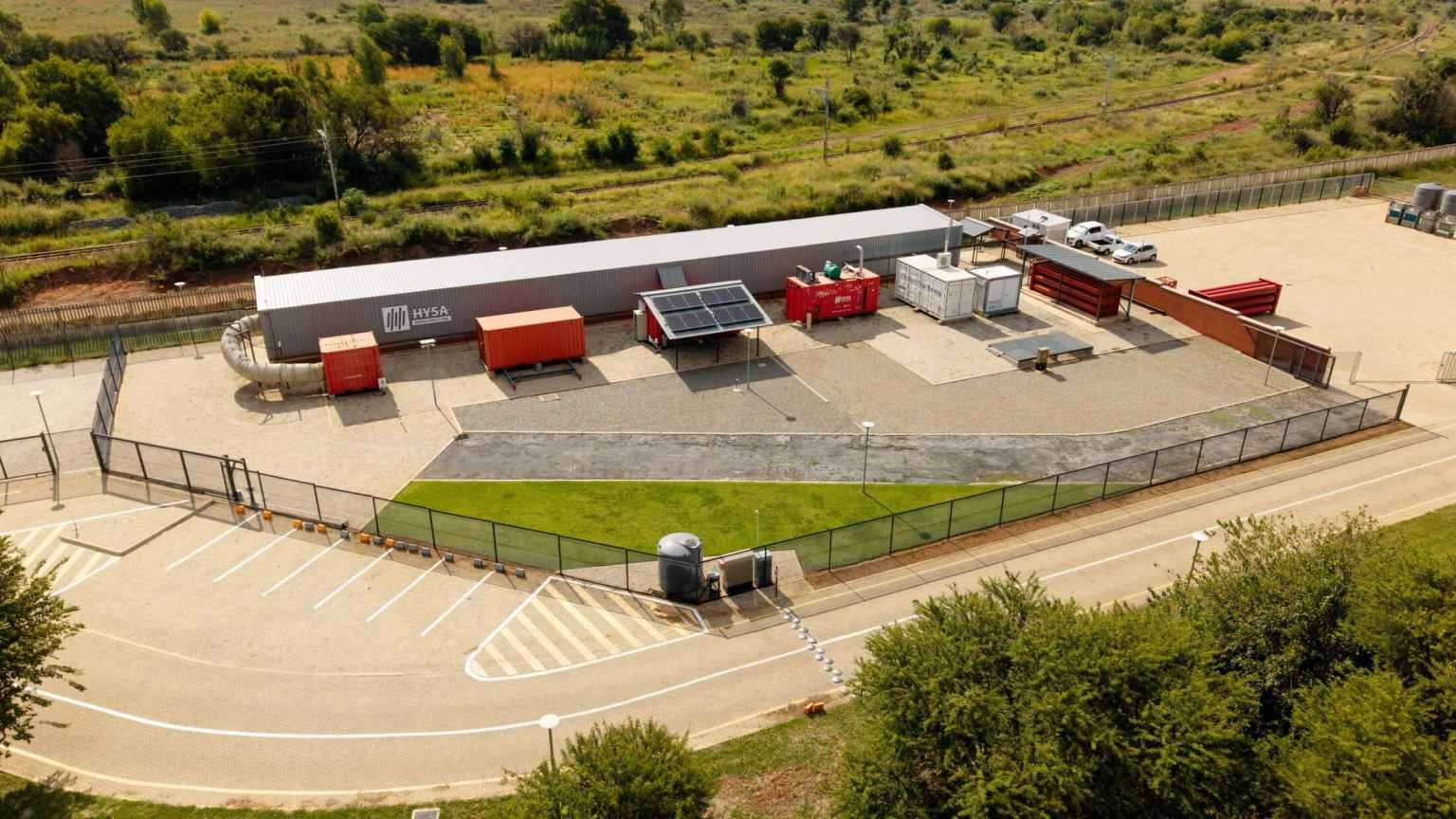
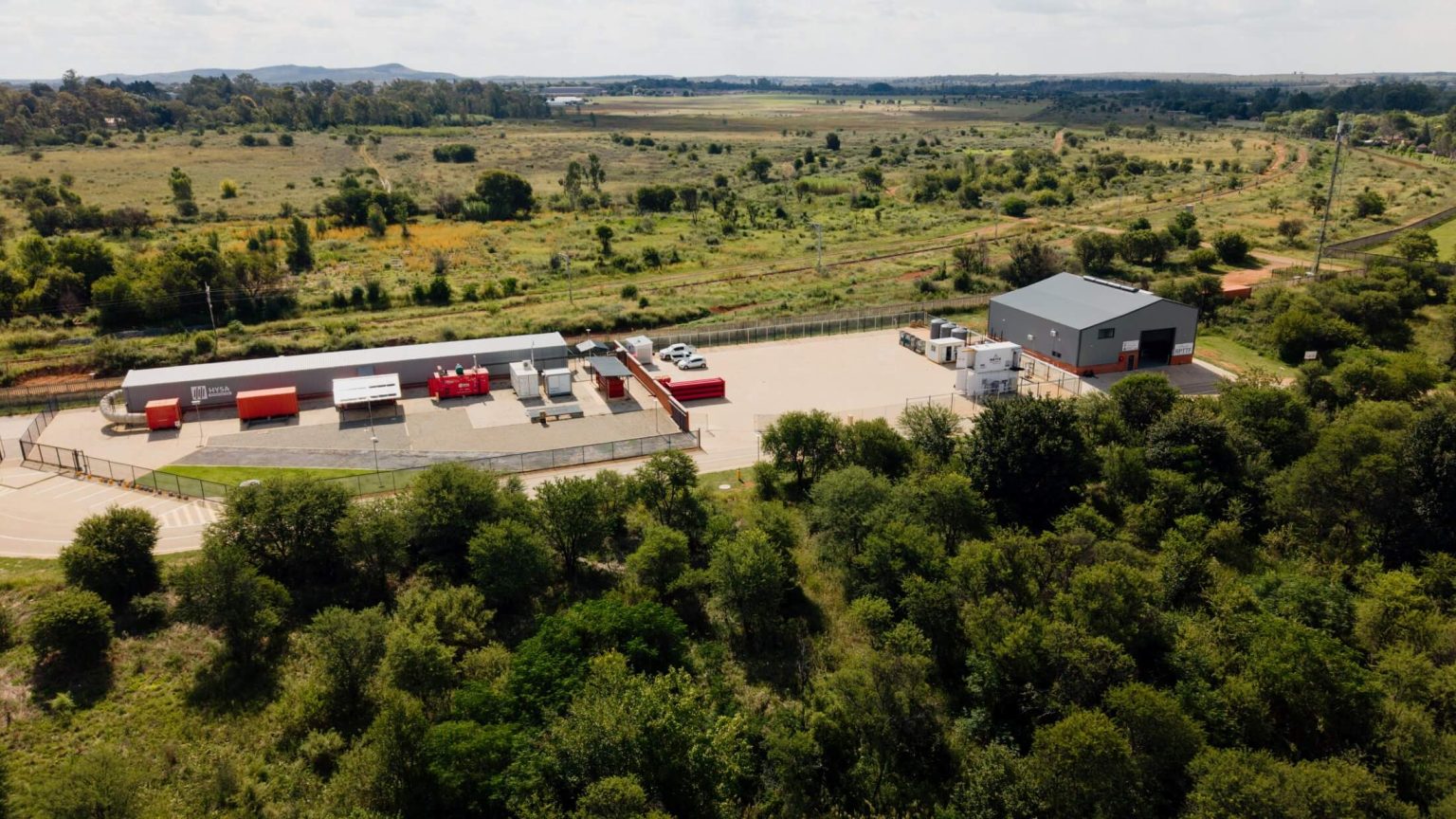
HySA has been established consisting of three Centres of Competence – HySA Infrastructure, HySA Catalyst and HySA Systems. The HySA Infrastructure (Hydrogen Production, Storage and Delivery) Centre of Competence, HySA Infrastructure in short, co-hosted by the North-West University (NWU) and Council for Scientific and Industrial Research (CSIR), and directed by Dr Dmitri Bessarabov.
Facility Manager
Scope for the ICE series: We continue the success of the first three events: International Conference on Electrolysis, (ICE), ICE 2017 in Copenhagen, Denmark, ICE 2019 in Loen, Norway, and ICE conference at Colorado School of Mines in Golden, Colorado,
1ST INTERNATIONAL CONGRESS on ADVANCED COMPUTATIONAL MODELLING OF MATERIALS (CAMOM) from 18 – 22 September 2022 at University of Pretoria, South Africa (and online) with FREE Registration BACKGROUND Developing the theoretical basis required to gain insights into condensed matter systems
HySA Infrastructure team at NWU recently reported on progress made in PAR safety technology. PAR stands for Passive Autocatalytic Recombiner (PAR). HySA Infrastructure at NWU leads development of safety technology for hydrogen applications in South Africa. It includes development of